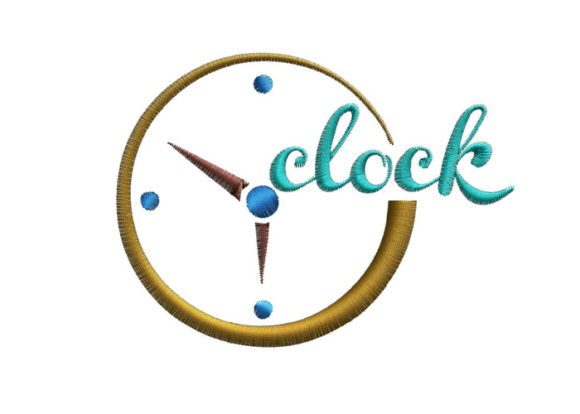
Clock Embroidery Design Review
First Impressions of the Clock Machine Embroidery Design
The Clock machine embroidery design immediately stands out with its modern yet elegant aesthetic. The clean lines and subtle detailing give it a premium feel, making it versatile for a range of craft fair products. Whether displayed on a tote bag or stitched onto a tea towel, the design feels bold enough to catch attention but not overwhelming.
This design has a versatile appeal, fitting into categories like farmhouse, rustic, or even minimalist styles. Its time-themed motif is both decorative and functional, suggesting practicality while adding visual interest. For handmade product displays, this could be a great conversation starter at any craft fair or Etsy shop.
Evaluating Clock on Various Craft Fair Products
The Clock embroidery design performs well across multiple product types. On tote bags, it acts as a strong focal point without overpowering the fabric. When placed near the bottom or top of the bag, it adds a touch of sophistication that appeals to customers looking for unique accessories.
Apron embroidery using the Clock design works beautifully on the front pocket or waistband area. It offers a playful twist on traditional apron designs, especially when paired with complementary thread colors. For tea towel embroidery, the design can be centered or placed along the edge, offering a decorative element that complements kitchen-themed handmade products.
As an embroidered patch, the Clock design shines in smaller formats, making it ideal for caps, fabric pouches, and pillow covers. It’s also suitable for market bags and handmade gifts, where it adds a personalized touch without being too busy.
For booth samples, this design can be used to create high-quality printable mockups that highlight how the finished product will look in real life. This is particularly useful for Etsy sellers who rely on visuals to drive sales.
Practical Selling and Production Considerations
The Clock design is easy to understand at a glance, which is essential for craft fair products. It doesn’t require intricate details that might confuse viewers or complicate production. As a small accent or large focal design, it adapts well to various small shop products and commercial embroidery needs.
When photographing the design for online listings, its clean lines and modern appeal make it stand out. The digital embroidery file comes with multiple formats, giving Embroidery enthusiasts flexibility in choosing the right hoop size and stitch density for their projects.
It’s repeatable for batch production, especially on items like tote bags and pillow covers, which are popular among handmade product buyers. However, care must be taken with stitch density and thread colors to ensure consistency across batches.
Careful-Use Notes for Clock Embroidery Design
While the Clock design is visually appealing, there are some considerations for optimal results. Dense stitch areas should be tested on scrap fabric to avoid puckering or tension issues. Tiny details may not translate well to smaller sizes, so it’s important to review spacing and confirm the hoop size before finalizing the design.
On thick fabrics or textured towels, additional stabilizer may be needed to maintain clarity. Small lettering, if present, should be checked for legibility, especially on dark fabrics. Designs that lose clarity at smaller sizes may need adjustments for use on patches or caps.
Impact of Clock on Visual Appeal and Marketability
The Clock design enhances the visual appeal of any product it adorns. It draws customer attention due to its modern elegance, which can elevate the perceived value of handmade quality items. This makes it a strong asset for brand consistency and booth display strength.
For buyer engagement, the design invites interaction and curiosity, especially when used on finished product samples. It supports craft fair sellers by creating a cohesive theme that aligns with current trends in Accessories and Embroidery.
Professional Embroidery Designer Tips for Using Clock
Before using the Clock design in commercial production, test it on scrap fabric to check for any potential issues. Ensure the thread colors contrast well with the fabric color chosen for your craft fair product.
Review the spacing and confirm the hoop size required for your machine. Inspect the stitch density and consider using the right stabilizer for different fabric textures. Creating at least one real mockup helps visualize the final look.
Compare fabric colors to ensure the design assets translate well in person. Always confirm commercial licensing before selling finished products to avoid legal issues.
Whether you're an Etsy seller or running a small shop, the Clock design offers a compelling addition to your product lineup. With careful planning and attention to detail, it can become a standout feature in your craft fair display and help attract more customers.