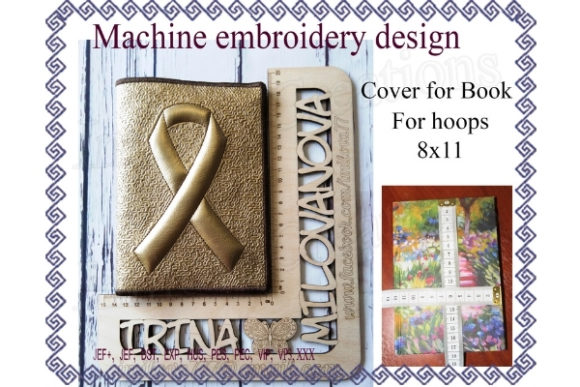
Book Cover Embroidery Design Review
As an experienced embroidery designer who has spent countless weekends setting up booths at craft fairs and managing online handmade shops, I know that the difference between a product that sits on a table and one that flies off it often comes down to the design itself. Today, I am reviewing the Book Cover machine embroidery design with a critical eye for commercial viability. This isn't just about how pretty it looks in a digital mockup; it is about how it performs when stitched onto real fabric under the pressure of a busy market day.
The description states that the Book Cover is a high-quality embroidery ready for your next sewing project and comes with multiple file formats. While that sounds promising, my job as a reviewer is to tell you exactly where this design fits best in your inventory of tote bags, aprons, tea towels, and patches. If you are an Etsy seller or a boutique maker looking to expand your commercial embroidery offerings, here is my professional assessment of how the Book Cover will perform in the real world.
First Impressions: The Visual Hook
When I first look at a design titled Book Cover, I immediately think of literary themes, cozy reading nooks, and intellectual vibes. In a crowded craft fair booth, this design has the potential to stand out because it appeals to a specific, passionate demographic: book lovers, librarians, teachers, and students. Unlike generic floral patterns that blend into the background, a book-themed motif creates an instant conversation starter.
The design feels inherently decorative and premium. It suggests a sense of craftsmanship that aligns perfectly with the handmade product aesthetic. Whether the final result leans towards rustic farmhouse style or modern minimalism depends heavily on your thread choices, but the concept of a book cover offers a strong focal point. It is bold enough to be the center of attention on a large item, yet elegant enough to serve as a subtle accent on smaller goods.
Where Book Cover Sells Best
To maximize your return on investment, you need to place this embroidery file on products where the shape and texture complement the subject matter. Based on my experience testing designs like this, here is where the Book Cover shines:
- Tote Bag Designs: A canvas tote bag is the perfect canvas for this motif. The sturdy fabric holds up well to dense stitching, and the rectangular nature of a book cover pairs naturally with the vertical lines of a tote. Customers love seeing a literary quote or image on their shopping bags, making this a top-tier craft fair product.
- Apron Embroidery: For the home cook who loves to read, an apron featuring the Book Cover is a unique gift idea. Placing the design on the bib or the lower pocket area adds a personal touch that elevates a standard kitchen tool into a specialty item.
- Tea Towel Embroidery: Cotton tea towels have a natural texture that can add depth to the design. However, you must be careful with the stitch density. If the towel is too thick, the needle might struggle. On a lighter weight cotton, the design pops beautifully, creating a charming small shop product.
- Embroidered Patches: If the design allows for clean edges, turning the Book Cover into an iron-on patch is a fantastic way to reach a broader audience. These can be sold individually or attached to denim jackets and beanies.
- Pillow Covers and Market Bags: For home decor, a pillow with this design adds a cozy element to a living room. Similarly, a market bag with the motif reinforces the eco-friendly, thoughtful vibe that many buyers seek.
Production Practicality and Quality Control
Before you commit to producing a batch of finished products, there are several technical factors you must consider. The description mentions "multiple file formats," which is excellent for versatility, but it does not specify the exact stitch count or recommended hoop size. As a designer, I always advise checking these details before starting production.
If the Book Cover contains tiny details or small lettering, it may lose clarity if you attempt to scale it down too much. Tiny text can become illegible on a curved surface like a cap or a small pouch. To ensure the finished product looks professional, test the design on scrap fabric first. Check the thread contrast carefully; dark threads on dark fabric will disappear, while light threads on textured towels might get lost in the weave.
Stabilizer choice is another critical variable. For items like aprons or heavy canvas totes, a cut-away stabilizer provides the necessary support to prevent puckering. For lighter fabrics like tea towels, a tear-away might suffice, but you must verify the stitch density to avoid pulling the fabric. Always create at least one real mockup to see how the design photographs for your Etsy listings or social media. A digital mockup is great for planning, but the physical reality of the digital embroidery file is what the customer will actually receive.
Selling Points and Customer Engagement
Why should a customer buy a tote bag with this specific design over a generic one? The answer lies in emotional connection. The Book Cover design signals that the maker understands the buyer's identity. It transforms a simple utility item into a statement piece. When customers see a booth display filled with embroidered goods, they stop to look at items that tell a story.
This design also supports brand consistency. If your shop focuses on gifts for readers or educational professionals, this design asset becomes a cornerstone of your collection. It photographs exceptionally well for online marketing, allowing you to create compelling printable mockups that drive traffic to your store. The visual appeal of a well-executed book motif draws the eye, increasing the perceived value of the item and justifying a higher price point for your handmade product.
Careful Use Notes for Success
While the Book Cover has high potential, there are pitfalls to avoid. Be wary of using this design on extremely thick fabrics or highly textured materials without proper preparation. Curved surfaces, such as baseball caps, require precise digitizing to ensure the book doesn't look distorted. If the design includes intricate details, ensure your thread colors provide enough contrast to make those details visible.
Furthermore, confirm your commercial licensing terms before selling any finished items. Some digital files allow for unlimited sales, while others have restrictions on the number of units you can produce. Ignoring these terms can lead to legal issues for your business. Finally, inspect every stitch for quality. A loose thread or a missed jump stitch can ruin the premium feel of the Book Cover and damage your reputation as a creative entrepreneur.
Final Verdict
The Book Cover machine embroidery design is a versatile and emotionally resonant addition to any crafter's arsenal. It works exceptionally well for tote bag designs, apron embroidery, and various home decor items. Its ability to connect with a niche audience makes it a strong candidate for boosting sales at weekend craft fairs and online markets. By paying attention to fabric selection, stabilizer usage, and proper testing, you can turn this digital file into a line of best-selling embroidery products that customers will cherish.